Prepare specification, quantity and destination before you request factory quotes.

Battery energy storage systems

Energy Storage System Manufacturer

EverCore Procurement is an independent sourcing partner. Share the application, usable capacity, rated power, quantity and US destination so factory quotations can be requested on one written basis.

A family brochure is not evidence for the model a supplier later names. Ask which configuration is being quoted, which accessories are included, and which approvals remain with the project engineer.

Build a Sourcing Brief
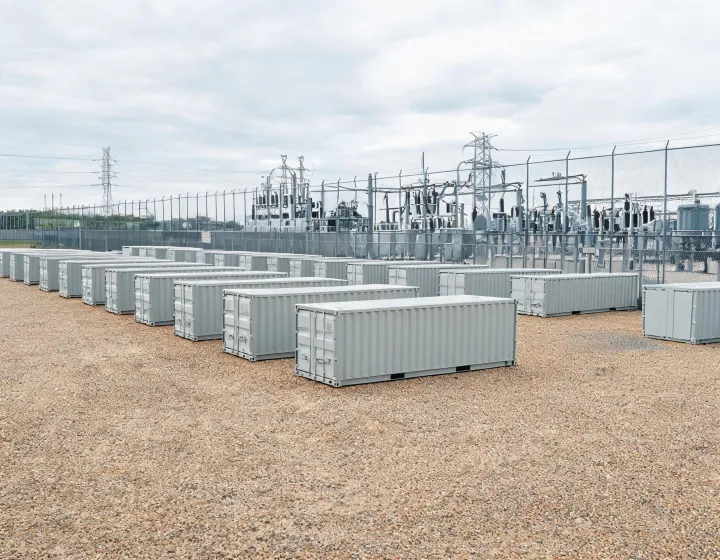
Containerized battery cabinets beside a substation fence during a daytime site walk

Project brief

  • Specification. Usable capacity, rated power, chemistry, DC voltage and thermal management still to be confirmed for the quoted item.
  • Quantity. Cabinets, racks or a project lot, with the unit of measure written beside the number.
  • Destination. US state or postal area, indoor or outdoor siting, and who receives the shipment.
  • Timing. Requested delivery window, not a promise that a factory can meet it.

Review inquiry configurations or read the procurement brief.

Exact-item files to request

Collect these against the model number written on the quotation, not against a product-family cover sheet.

  • Current datasheet stating usable capacity and rated power, with the test basis named.
  • Dimensional drawing for the cabinet or rack being offered.
  • Battery management system description tied to that model.
  • Thermal management method and the enclosure rating the supplier is willing to state.
  • Where the shipment needs it, a current lithium battery transport test summary such as UN 38.3 evidence for the proposed item.
  • Safety listing or certification records the supplier says apply, with the file number and the exact model.

Approvals that stay open

Interconnection, fire-code review, structural loading and safe installation stay with qualified parties. EverCore Procurement can list those gaps on the brief so a quotation does not look more complete than it is.

Round-trip efficiency and cycle life need a stated depth of discharge, temperature and throughput basis. If the supplier omits that basis, mark the field unresolved instead of copying a headline figure into the comparison.

A bidirectional inverter or a separate power conversion system may sit outside the battery scope. Write that interface as its own line when the buyer needs it, and do not assume one factory covers both.

Next step: align the quotation fields before you send the brief.

Where the storage question starts

These are purchase contexts, not completed projects. Each card names the interface question and the unit a request should use.

Commercial rooftop retrofit

Application: storage added beside an existing PV service. Interface question: AC-coupled connection point, available fault current and where the meter sits.

RFQ unit: cabinet or system, plus whether the power conversion equipment is in scope.

Ground-mount pairing

Application: a new array with a storage block on the same parcel. Interface question: DC voltage window and whether DC-coupled conversion is even being considered.

RFQ unit: project lot of containers, with medium-voltage gear called out separately.

Standalone battery block

Application: capacity and power requested without a paired PV scope. Interface question: grid-forming or grid-following behavior, stated by the supplier for the quoted controls.

RFQ unit: usable kWh and rated kW written as two fields, not one blended label.

Fleet charging buffer

Application: storage asked to soften depot demand. Interface question: charge-window duty cycle and communication with the depot controller.

RFQ unit: one depot system, with charger hardware kept on its own lines.

Distributed energy node

Application: a site that also has load control or backup expectations. Interface question: what the energy management system must exchange, and who configures it.

RFQ unit: storage equipment only, unless the brief explicitly adds controls.

Questions buyers raise before a factory list

Name the site job in plain language: rooftop retrofit, ground-mount pairing, standalone block, fleet buffer or a distributed node. Add indoor or outdoor siting and the voltage level the buyer already knows. Leave unknown electrical studies blank.

Ask for usable capacity and rated power as separate values, each with a duration or test condition. Nameplate energy is not a substitute. If depth of discharge is part of the usable figure, the supplier should say so on the datasheet for that model.

Track the drawing revision, the transport document, the listing file if one is claimed, the Incoterm or freight basis, and the US destination. A missing field stays on the brief until the supplier answers it for the exact item.

Yes. Write a currency and say whether the figure is per cabinet, per kWh or for the whole order. High-end, mid-range, budget or undecided is a buyer preference, not a rating EverCore Procurement has verified. A lower equipment price can fit an owner with local support, while an offer including spares and service may suit a buyer who needs those tasks covered. Compare both on usable capacity, rated power, freight, taxes, warranty and service scope before choosing a procurement total.

Hand the brief to the quote desk

Bring the product family, quantity, destination, timing and any budget basis you already have. FREE sourcing support and a ceiling of up to 3% are described on the banner, and they are confirmed only after the written requirement is reviewed.